

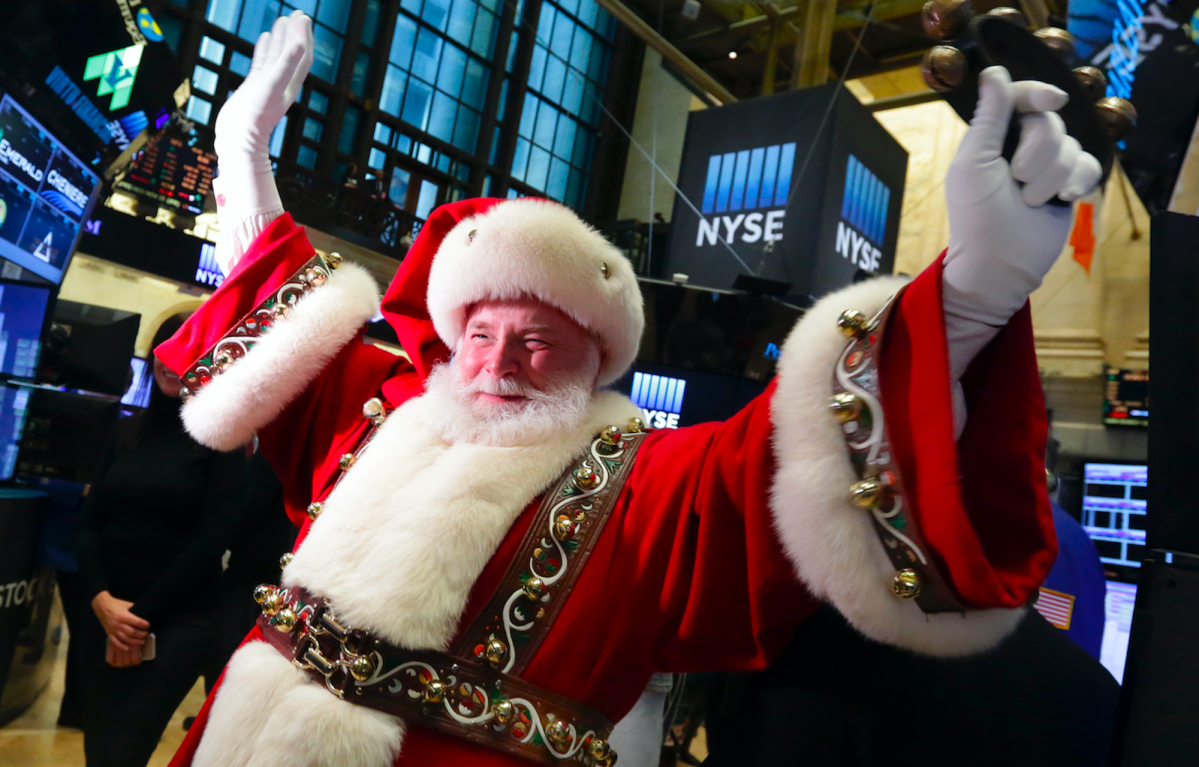

As the holiday season arrives, many investors anticipate what’s often called a “Santa Claus rally”—a period of stock market optimism where prices tend to rise during the last week of December and the first couple of trading days in January. This trend, observed over decades, can make investing during the holidays appealing. However, deciding whether to jump in or hold back requires a closer look at your goals, market conditions, and risk tolerance.
What Is the Santa Claus Rally?
The Santa Claus rally refers to the stock market’s tendency to experience gains during the holiday season. Theories for why this happens include:
- Investor Optimism: Holiday cheer and a boost in consumer spending often drive investor confidence, leading to increased buying activity.
- Tax Strategies: Earlier in December, some investors sell losing assets to offset gains, known as tax-loss harvesting. When these sales slow down at the end of the month, buying activity can rebound, pushing stock prices higher.
- Institutional Breaks: With many large institutions winding down for the year, trading volumes are lighter, which can lead to less volatility and a gentle upward drift in prices.
While these factors can contribute to positive market momentum, it’s essential to remember that a Santa Claus rally isn’t guaranteed and can be influenced by the broader economic environment.
Should You Invest During the Holiday Rally?
Whether or not to invest during this period depends on your individual circumstances and investment approach.
For Long-Term Investors
If you’re investing with a horizon that spans several years, short-term trends like the Santa Claus rally may not be a primary concern. Instead, staying committed to a well-diversified portfolio that aligns with your long-term goals is usually a sound approach. The holiday rally may provide a small boost, but it’s the long-term growth that will matter most.
Considerations:
- Stay Diversified: Rather than focusing on specific stocks or sectors, ensure your portfolio remains balanced across various asset classes, which can help smooth out any seasonal volatility.
- Ignore Short-Term Fluctuations: If your investments are aimed at retirement or other long-term goals, the potential gains from a holiday rally will likely be minor in the grand scheme.
For Short-Term Investors or Traders
If you’re aiming for short-term gains, the Santa Claus rally can present opportunities to capitalize on market momentum. However, it’s crucial to approach this period with caution. Short-term market movements are notoriously unpredictable, and while there may be an uptick, markets can turn quickly.
Considerations:
- Set Clear Exit Strategies: Decide on a target for profit-taking or a stop-loss point to protect against losses. Short-term trading requires discipline, especially in an environment where optimism can drive prices higher temporarily.
- Assess Volatility: The holiday season can bring lower trading volumes, leading to sudden price movements. Be prepared for potential volatility and ensure that any trades align with your risk tolerance.
Factors to Consider Before Investing
Holiday rallies can be enticing, but a few other factors can impact whether you should invest or hold back.
Current Market Conditions
Take a look at the broader economic landscape, as well as recent trends in interest rates, inflation, and corporate earnings. Markets don’t operate in isolation, and macroeconomic indicators can heavily influence their direction. If the economy shows signs of a downturn or if interest rates are expected to rise, for example, these factors could dampen or even reverse the effects of a typical holiday rally.
Volatility and Risk
The Santa Claus rally can bring short-term gains, but it’s not a risk-free opportunity. Markets can become more volatile during the holiday season, particularly with thinner trading volumes. To prepare for this, evaluate your risk tolerance honestly and avoid making impulsive moves based solely on market sentiment.
Alignment with Your Investment Strategy
Above all, your decisions should align with your overall investment strategy. If you’re a long-term investor, this may mean ignoring the holiday rally hype and focusing on your established plan. For those with a more aggressive or flexible strategy, a seasonal opportunity might be a chance to add some value, but only if it fits within your broader financial goals.
Tips for Investing in a Potential Holiday Rally
If you decide to invest during the holiday season, here are some smart practices to keep in mind:
- Stay Diversified: Even if you’re tempted to focus on a few high-performing stocks, maintaining a diversified portfolio can reduce risk and enhance stability.
- Don’t Chase Gains: If you notice a rally, avoid buying solely due to fear of missing out (FOMO). Evaluate each investment carefully, considering fundamentals and potential long-term value.
- Consider Dollar-Cost Averaging (DCA): Instead of making a single large investment, consider spreading out your contributions over time. DCA can help you avoid investing all at once, especially in a market with elevated volatility.
- Take Advantage of Tax-Loss Harvesting: If you have investments that didn’t perform well this year, consider selling them to offset any gains from other assets. This strategy can reduce your tax liability and free up funds for new investments.
The Bottom Line: Invest or Hold Back?
The Santa Claus rally can be an exciting time for the stock market, but it’s not a guarantee of returns. If you’re a long-term investor, focus on staying diversified and sticking to your overall investment strategy rather than getting caught up in seasonal trends. For short-term traders, a holiday rally can offer opportunities, but discipline and caution are key.
By assessing your own financial goals, risk tolerance, and market conditions, you can make the decision that best suits your needs. And as always, it’s wise to consult with a financial advisor if you’re unsure how to approach the market this season.


 AAPL
AAPL  MSFT
MSFT  AMZN
AMZN  GOOGL
GOOGL  TSLA
TSLA  NFLX
NFLX  META
META  NVDA
NVDA
Leave a Comment